
VEGETABLES

Vegetables are an essential part of a healthy and balanced diet because they provide a wide range of vitamins, minerals, fiber, and antioxidants that support overall well-being. Regular consumption of vegetables helps strengthen the immune system, improve digestion, and maintain a healthy weight due to their low calorie and high fiber content. They also contribute to heart health by helping to lower cholesterol levels and regulate blood pressure. The antioxidants found in vegetables protect the body from harmful free radicals, reducing the risk of chronic diseases such as diabetes, heart disease, and certain types of cancer. Additionally, vegetables promote healthy skin, improve energy levels, and support proper body functions, making them a vital component of a nutritious lifestyle.
NON VEG

Non-vegetarian foods such as chicken, fish, eggs, turkey, and lean meats are rich sources of high-quality protein, which plays a crucial role in building and repairing muscles, supporting growth, and maintaining overall body strength. They are packed with essential nutrients such as iron, zinc, vitamin B12, vitamin D, and omega-3 fatty acids that help improve energy levels, support brain function, and strengthen the immune system. Iron from animal sources is easily absorbed by the body, helping prevent anemia and fatigue. Fish and seafood are particularly beneficial for heart health, cognitive function, and reducing inflammation due to their omega-3 content. Non-vegetarian foods also support healthy bones, hormone production, and faster recovery after physical activity. When included in a balanced diet and prepared using healthy cooking methods, non-vegetarian foods can contribute to improved fitness, better overall health, and enhanced physical performance.
DRY FRUITS
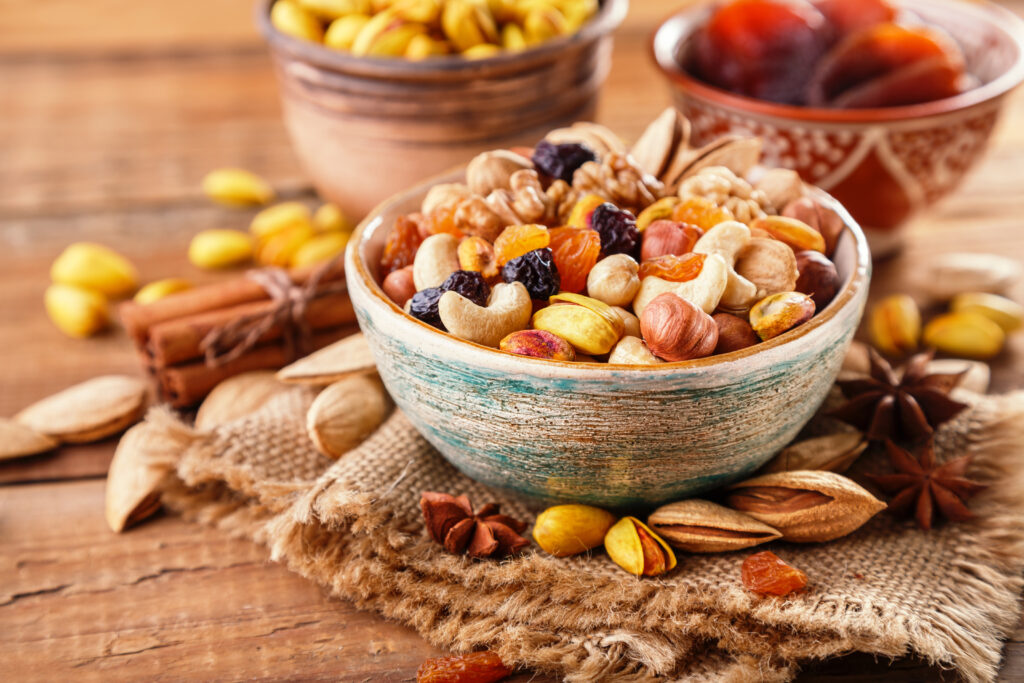
Dry fruits are fruits and nuts that have had most of their water content removed through natural drying or special drying methods. They are highly nutritious because their nutrients become concentrated when the water is removed. Common dry fruits include Almond, Cashew, Walnut, Pistachio, Raisin, Date, and Dried Fig. These foods are rich in essential nutrients such as vitamins, minerals, fiber, healthy fats, and antioxidants. Regular consumption of dry fruits can help improve heart health, support brain function, strengthen bones, boost immunity, and provide quick energy. They are also a convenient and healthy snack option for people of all ages. However, because dry fruits are high in calories and natural sugars, they should be consumed in moderation as part of a balanced diet.
FUTURE'S
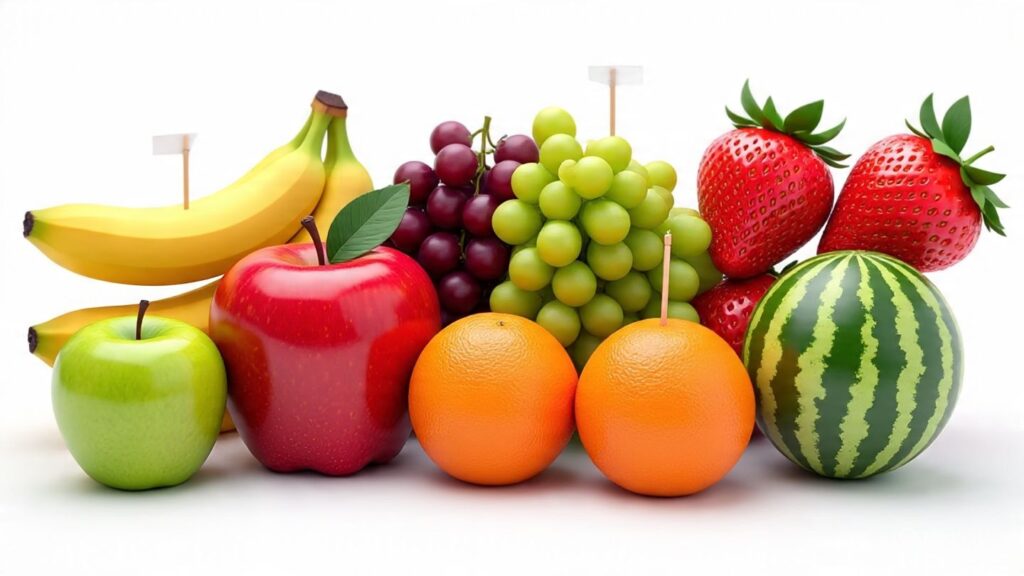
Fruits are the edible, seed-bearing parts of flowering plants and are an important part of a healthy diet. They are rich in essential nutrients such as vitamins, minerals, fiber, and antioxidants that help maintain overall health and well-being. Common fruits include Apple, Banana, Orange, Mango, Grape, Pineapple, and Papaya. Eating fruits regularly can support digestion, strengthen the immune system, improve heart health, and reduce the risk of many chronic diseases. Fruits are naturally low in fat and contain natural sugars that provide energy. They can be eaten fresh, dried, juiced, or included in a variety of dishes such as salads, desserts, and smoothies. Health experts generally recommend consuming a variety of fruits every day to obtain a wide range of nutrients and health benefits.