
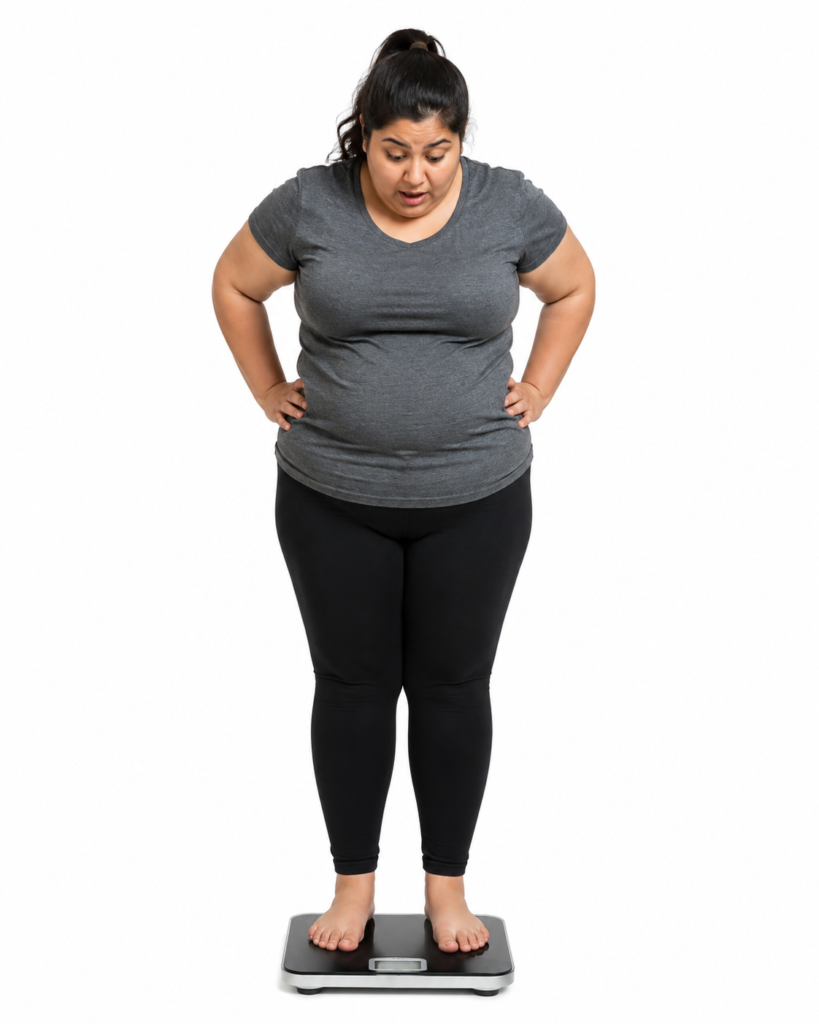
Weight Loss Guide: Free Guide For Beginners
Starting a weight loss journey can feel confusing, especially with so many diets, workout plans, and fitness trends available online. Many beginners struggle because they don’t know where to start or whom to trust. The good news is that achieving weight loss doesn’t require expensive supplements or extreme dieting. It starts with small, consistent lifestyle changes that you can maintain over time.
This free guide is designed to help beginners understand the basics of weight loss, including healthy eating, exercise, hydration, sleep, and daily habits. Whether your goal is to lose a few kilograms or improve your overall health, this guide will help you build a strong foundation for long-term success
Why Do People Gain Weight?
Several factors contribute to weight gain, including:
- Eating more calories than your body needs
- Lack of physical activity
- Poor sleeping habits
- High stress levels
- Hormonal imbalances
- Sedentary lifestyle
- Frequent consumption of processed foods and sugary drinks
Understanding the cause of weight gain is the first step toward making lasting changes.
Common Reasons for Weight Gain
Before beginning your weight loss journey, it’s important to understand what may have contributed to weight gain. Some common reasons include:
- Eating more calories than your body needs
- Regular consumption of processed foods
- Sugary drinks and snacks
- Lack of physical activity
- Poor sleep habits
- High stress levels
- Hormonal changes
- Sedentary lifestyle
Identifying these habits allows you to make meaningful improvements that support healthy weight loss
What is Weight Loss?
Weight loss is the process of reducing body weight by burning more calories than your body consumes. This is commonly known as creating a calorie deficit. While this sounds simple, healthy weight loss is about much more than eating less. It involves nourishing your body with nutritious foods, staying physically active, getting enough sleep, and maintaining consistency.
The goal should always be sustainable weight loss, not quick fixes. Losing weight gradually helps preserve muscle, improves overall health, and increases the chances of maintaining your results.
Step 1: Set Realistic Weight Loss Goals
One of the biggest mistakes beginners make is expecting instant results. Healthy weight loss takes time and patience.
A realistic goal is to lose around 0.5 to 1 kilogram per week. Instead of focusing only on the number on the scale, celebrate other improvements such as increased energy, better stamina, improved sleep, and healthier eating habits.
Remember, consistency always beats perfection
Step 2: Build a Healthy Diet
Nutrition is the foundation of successful weight loss. Instead of following restrictive diets, focus on balanced meals that include all major nutrients.
Eat More Protein
Protein helps preserve muscle while keeping you full for longer.
Good protein sources include:
- Eggs
- Chicken
- Fish
- Paneer
- Tofu
- Greek yogurt
- Lentils
- Chickpeas
Choose Healthy Carbohydrates
Complex carbohydrates provide steady energy throughout the day.
Examples include:
- Brown rice
- Oats
- Millets
- Whole wheat roti
- Sweet potatoes
- Quinoa
Include Healthy Fats
Healthy fats support hormone function and improve satiety.
Choose foods such as:
- Almonds
- Walnuts
- Peanuts
- Chia seeds
- Flaxseeds
- Olive oil
Fill Half Your Plate with Vegetables
Vegetables are rich in vitamins, minerals, and fiber while being naturally low in calories, making them perfect for weight loss
Step 3: Drink More Water
Hydration plays an important role in weight loss. Drinking enough water supports digestion, improves metabolism, and may help reduce unnecessary snacking.
Aim for 2.5 to 3.5 litres of water daily, depending on your activity level and climate.
Step 4: Exercise Regularly
Exercise helps burn calories, improves cardiovascular health, and supports healthy weight loss.
Beginners can start with simple activities like:
- Brisk walking
- Cycling
- Bodyweight squats
- Push-ups
- Lunges
- Planks
- Skipping rope
- Light jogging
Aim for at least 30 to 45 minutes of activity, five days each week
Step 6: Prioritise Sleep
Poor sleep can negatively affect your weight loss progress by increasing hunger hormones and reducing energy levels.
Aim for 7–9 hours of quality sleep every night. A consistent sleep schedule also supports better recovery and overall health.
Step 7: Manage Stress
Chronic stress can lead to emotional eating and make weight loss more challenging.
Healthy ways to manage stress include:
- Meditation
- Yoga
- Walking outdoors
- Deep breathing exercises
- Spending time with family and friends
- Engaging in hobbies
Common Weight Loss Mistakes to Avoid
Avoid these common mistakes during your weight loss journey:
- Skipping meals
- Following crash diets
- Drinking sugary beverages
- Ignoring protein intake
- Not exercising consistently
- Sleeping less than seven hours
- Expecting overnight results
Healthy weight loss is about making sustainable changes rather than looking for shortcuts.
A Simple Daily Weight Loss Routine
Morning
- Drink a glass of water after waking up.
- Go for a 20–30 minute walk.
- Eat a protein-rich breakfast.
Afternoon
- Enjoy a balanced lunch with vegetables, lean protein, and whole grains.
Evening
- Complete your workout or go for a brisk walk.
- Choose healthy snacks such as fruits or nuts.
Night
- Eat a light dinner.
- Avoid late-night overeating.
- Sleep on time.
Healthy Habits That Support Weight Loss
Small daily habits can make a big difference over time.
- Eat slowly and mindfully.
- Avoid processed foods whenever possible.
- Read food labels before purchasing packaged products.
- Stay physically active throughout the day.
- Track your progress instead of chasing perfection.
- Celebrate small milestones.
Frequently Asked Questions
Can I lose weight without going to the gym?
Yes. Walking, home workouts, bodyweight exercises, and healthy eating are enough to begin your weight loss journey.
How fast can I lose weight?
Healthy weight loss usually ranges between 0.5 and 1 kilogram per week, depending on your body and lifestyle.
Should I stop eating rice?
No. Rice can be part of a healthy weight loss diet when eaten in appropriate portions and balanced with protein and vegetables.
Is cardio enough for weight loss?
Cardio helps burn calories, but combining it with strength training provides better long-term weight loss results.
Do I need supplements?
Most beginners do not need supplements. A balanced diet, regular exercise, and consistency are usually enough to support healthy weight loss.
Final Thoughts
At BeastsCM, we believe that successful weight loss is not about following strict diets or unrealistic workout routines. It’s about creating healthy habits that fit your lifestyle. Our goal is to help beginners build confidence, stay consistent, and achieve long-term fitness results through practical guidance and personalized coaching.
Pingback: PERSONAL TRAINING - beastscm.com